
Vacuum Sealers
Food preservation methods like freezer storage, glass containers, and plastic bags allow oxidation and freezer burn to degrade quality, texture, and nutritional value within weeks of storage. SZUK Vacuum Sealers eliminate oxygen from sealed pouches using dry and wet modes, sealing fresh produce, proteins, and prepared meals that retain quality for months rather than weeks. Order online from the official store and find the best price on food preservation technology backed by measurable storage performance.
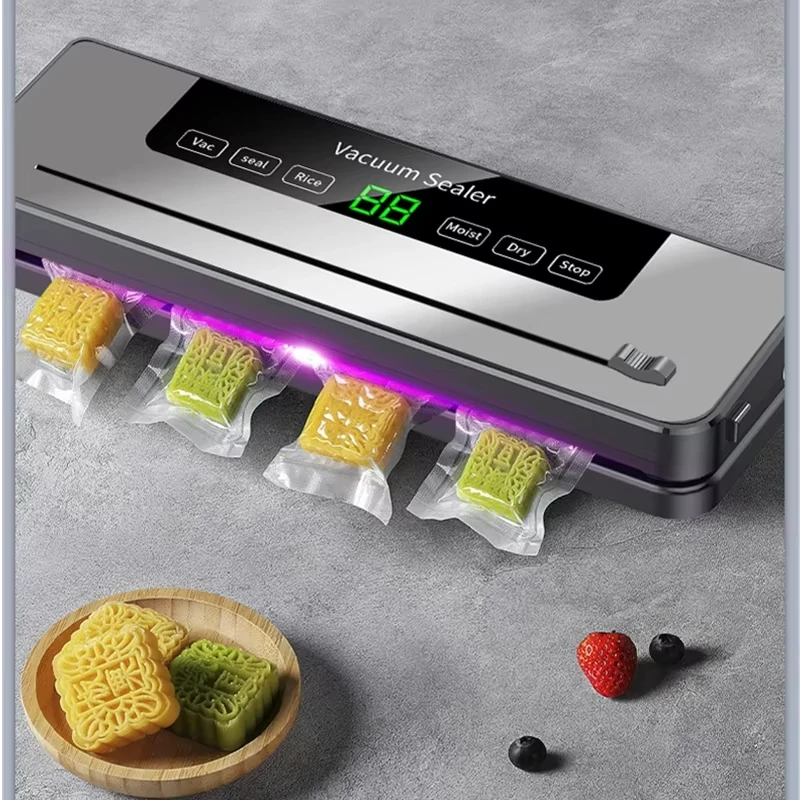
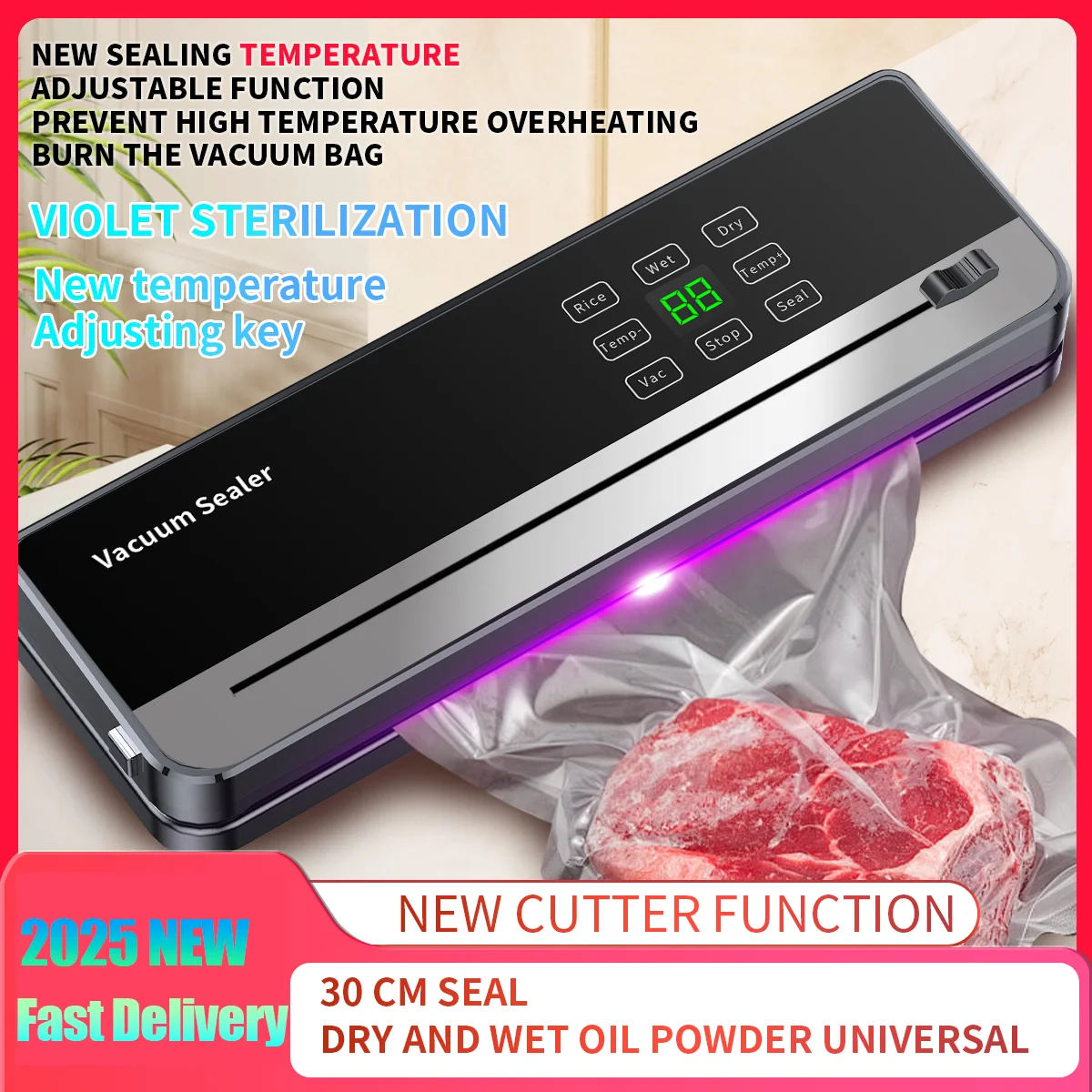
SZUK Vacuum Sealers with Dry and Wet Mode Preservation Systems
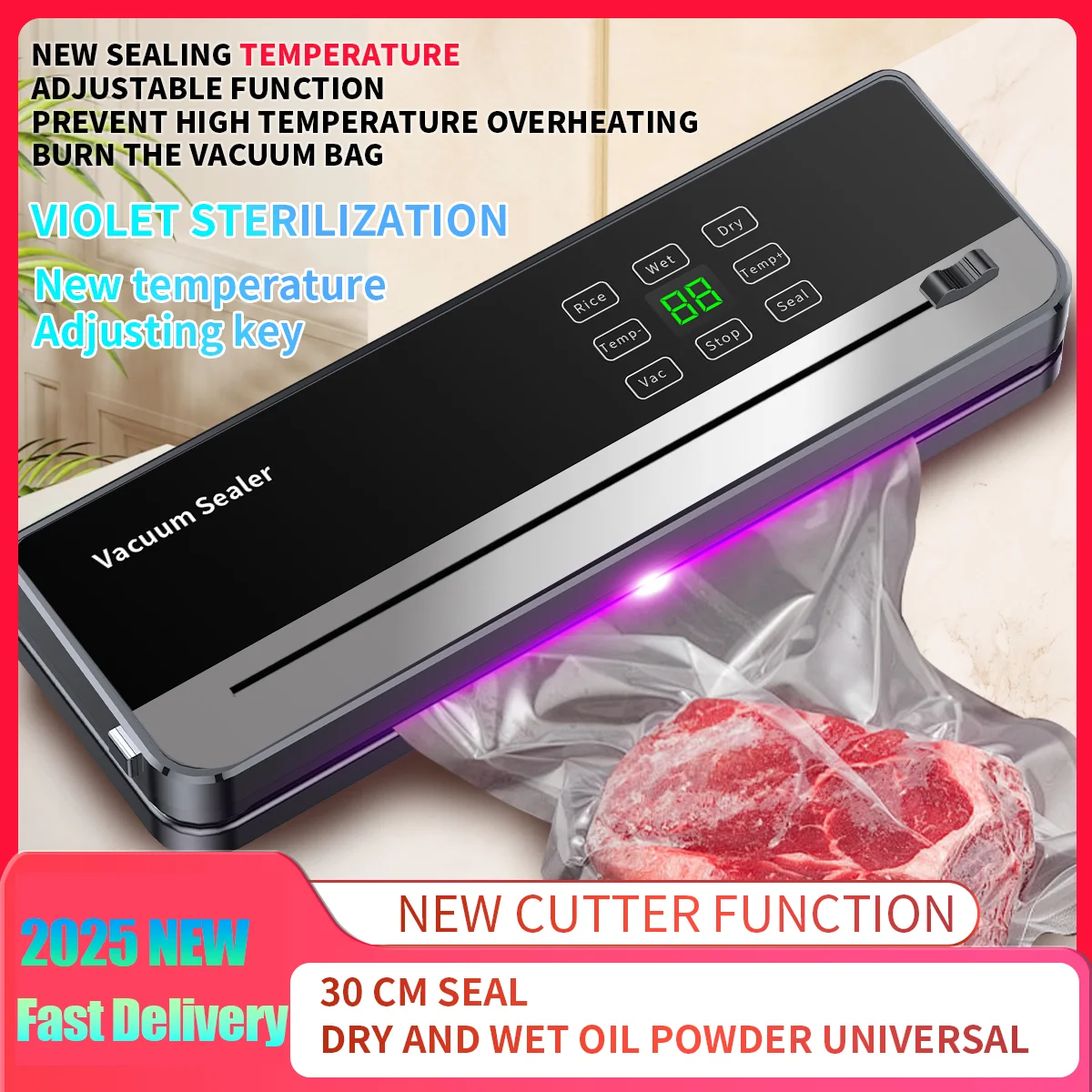
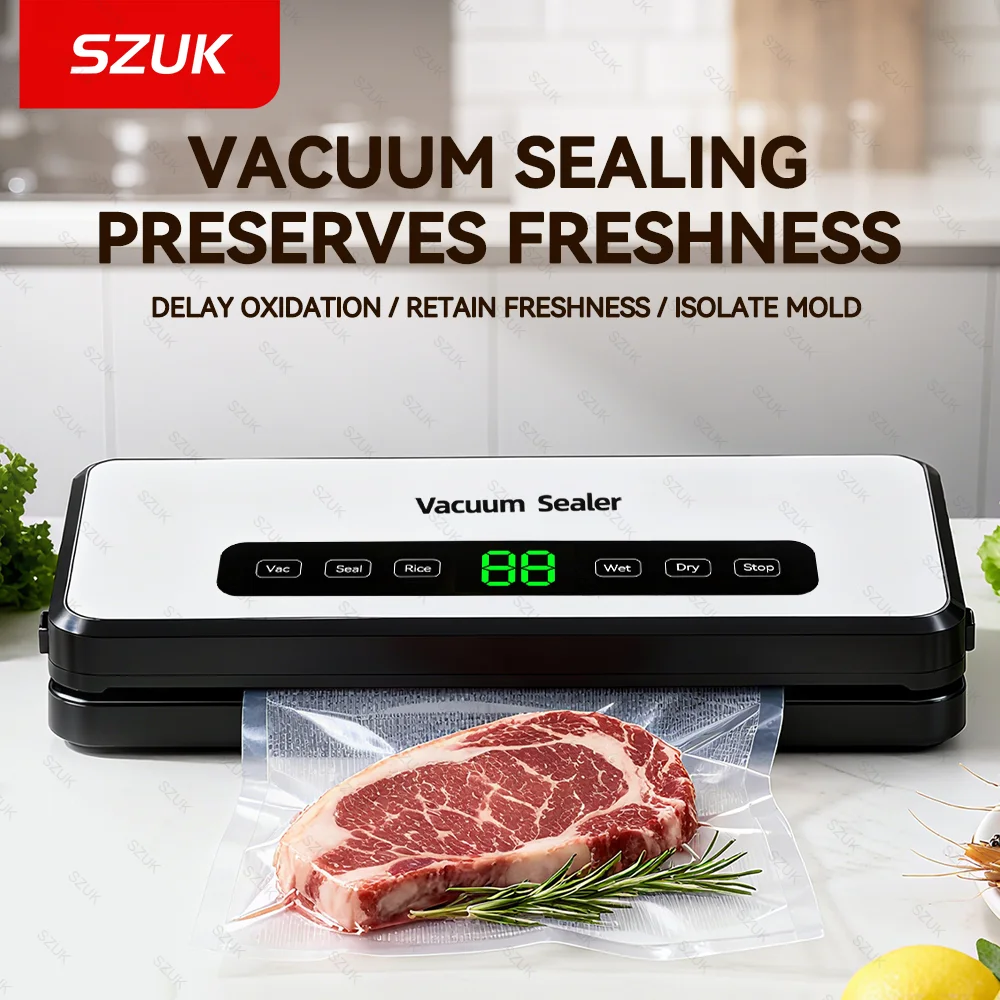
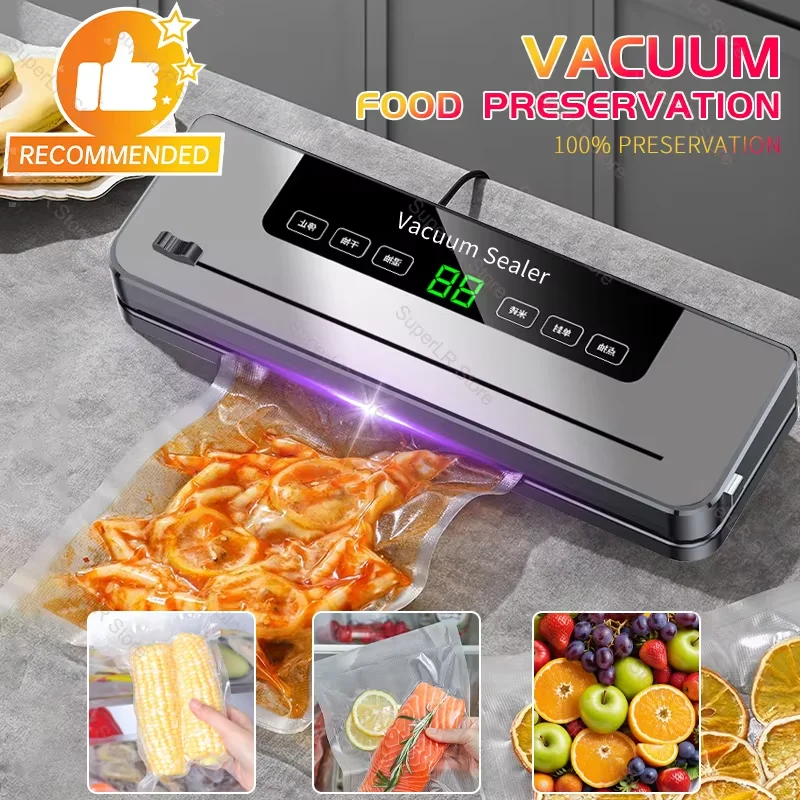
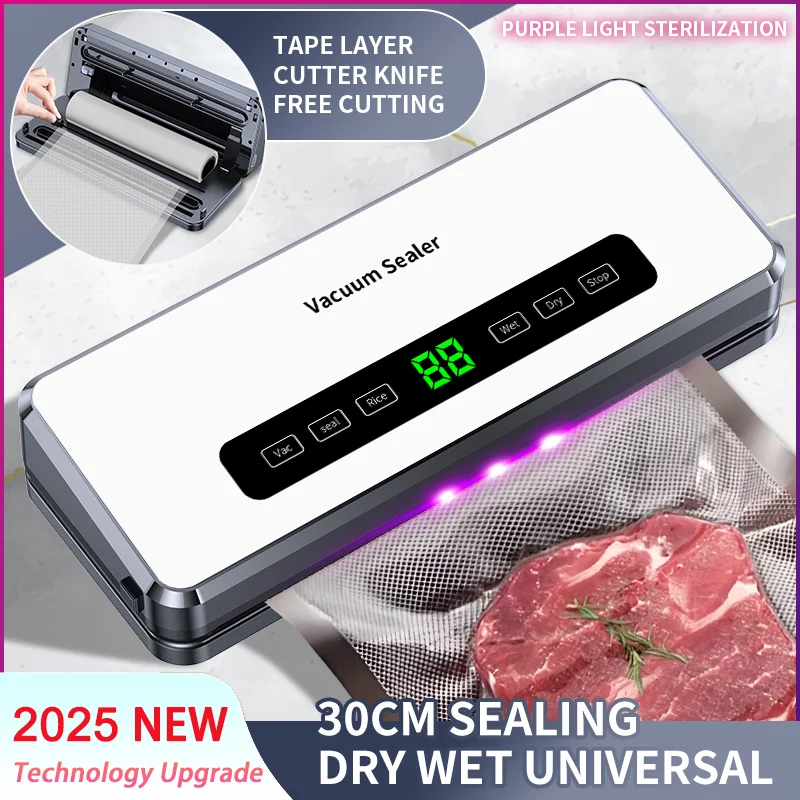
SZUK Vacuum Sealers create oxygen-free storage environments that dramatically extend food shelf life by removing air that promotes bacterial growth, oxidation, and freezer burn degradation across the full range of fresh and prepared foods. Dual-mode operation addresses different food categories: dry mode processes hard items like cheese, cookies, and cured meats without crushing fragile structures, while wet mode handles marinades, soups, and fresh fish that release liquids during vacuum processing. Built-in heating elements seal pouch edges with precise temperature control, creating airtight barriers that remain intact throughout storage periods spanning 3 to 12 months depending on food type and ambient conditions. Electric or rechargeable models accommodate kitchen counter placement and portable applications, with battery-powered variants delivering consistent sealing power without dependence on outlets during camping trips or emergency supply management. Integrated cutting systems allow users to portion stored contents directly from the main pouch without opening the entire sealed package, reducing air reexposure for remaining contents. The collection rollers guide plastic pouches through consistent paths, ensuring uniform seal width and pressure regardless of bag thickness or material composition. Whether preserving seasonal garden harvests, bulk-purchased proteins, or prepared meal components, SZUK Vacuum Sealers provide preservation methods that traditional storage approaches simply cannot match.
Vacuum Technology and Built-In Sealing Systems
Positive displacement pumps generate sustained negative pressure within sealed pouches at rates between 80 and 120 kPa, removing atmospheric oxygen that sustains bacterial reproduction and chemical oxidation processes responsible for food degradation. Two-stage sealing sequences first remove air, then activate heating elements that fuse polyethylene pouch layers together with bond strengths exceeding 5 kilograms of tension before separation occurs. Temperature sensors monitor heating element conditions throughout sealing cycles, automatically adjusting electrical resistance to compensate for ambient room temperature variations and maintain consistent seal integrity. Vacuum pressure remains stable throughout sealing—a technical advantage over competitor models that experience pressure fluctuation during seal-time—which translates directly into more reliable pouch integrity and longer functional storage periods. Built-in cutting blades allow portion separation without opening main pouches, a convenience feature that prevents oxygen reintroduction and extends usable life for remaining sealed contents by 6 to 8 weeks beyond traditional partial-use scenarios. Dry mode disables vacuum and applies heat-only sealing for delicate foods, protecting texture and appearance of items prone to crushing under atmospheric pressure reduction. These technical specifications demonstrate the engineering sophistication required to achieve preservation performance that measurably exceeds storage alternatives available through consumer retailers.
Advantages Over Traditional Food Storage Methods
Freezer storage in standard containers allows freezer burn to develop within 3 to 5 weeks, causing ice crystal formation that damages cell structure and produces texture degradation visible upon thawing—whereas vacuum-sealed foods retain original characteristics for 6 to 12 months. Glass containers with rubber seals provide airtight conditions but occupy significant freezer space and cannot conform to irregular food shapes, resulting in wasted storage capacity and frequent reorganization. Plastic wrap and aluminum foil depend on manual application technique, resulting in variable seal quality that allows gradual air infiltration; SZUK Vacuum Sealers eliminate operator error through automated, consistent sealing procedures. Cost per storage cycle drops substantially when considering bulk purchasing discounts available from the official store—reusable sealing containers reduce long-term material expenses compared to disposable bags used in competing preservation systems. Scientific testing shows that vacuum-sealed chicken maintains quality indicators for 8 months versus 4 months in conventional freezer storage, and vacuum-sealed fresh berries retain antioxidant levels 35 percent higher than those stored in plastic containers after 12 weeks. Commercial food preparation facilities and restaurants standardize on vacuum-sealing technology specifically because measurable quality retention translates directly into reduced waste and improved customer satisfaction metrics.
Selection Guidance and Food Storage Best Practices
Choose electric models for frequent daily use in established kitchens, or select rechargeable variants for flexible placement, camping applications, and emergency preparedness scenarios requiring portable equipment. Activate dry mode for items like crackers, nuts, and cheese where vacuum pressure would compromise texture; reserve wet mode for marinades, fresh fish, and prepared soups where liquid presence demands pressure-controlled evacuation. Portion foods into quantities matching single-meal consumption patterns, eliminating the need to open and reseal large packages multiple times during storage periods. Freeze food items for 2 to 3 hours before sealing to eliminate excess surface moisture that might interfere with heating element contact during seal cycles. Layer delicate items like berries or baked goods with parchment paper dividers before sealing, preventing compression damage while maintaining oxygen exclusion benefits. Store sealed pouches in freezer sections rather than refrigerators, where temperature stability and low humidity maximize preservation lifespan toward the full 12-month range. Shop SZUK Vacuum Sealers at the official store to compare electric and rechargeable models, review pouch material options, and secure the best available pricing on equipment that preserves food quality measurably better than traditional storage methods.