
Car Rear View Cameras
Parking misjudgments, blind spot collisions, and reversing incidents account for over 210,000 vehicle accidents annually in the United States alone. SZUK Car Rear View Cameras deliver 1080P resolution with wide-angle fisheye lenses and advanced night vision, providing the visual certainty drivers need for safe parking and backing maneuvers. Order from the official store and experience the best price for camera systems that prevent costly mistakes.
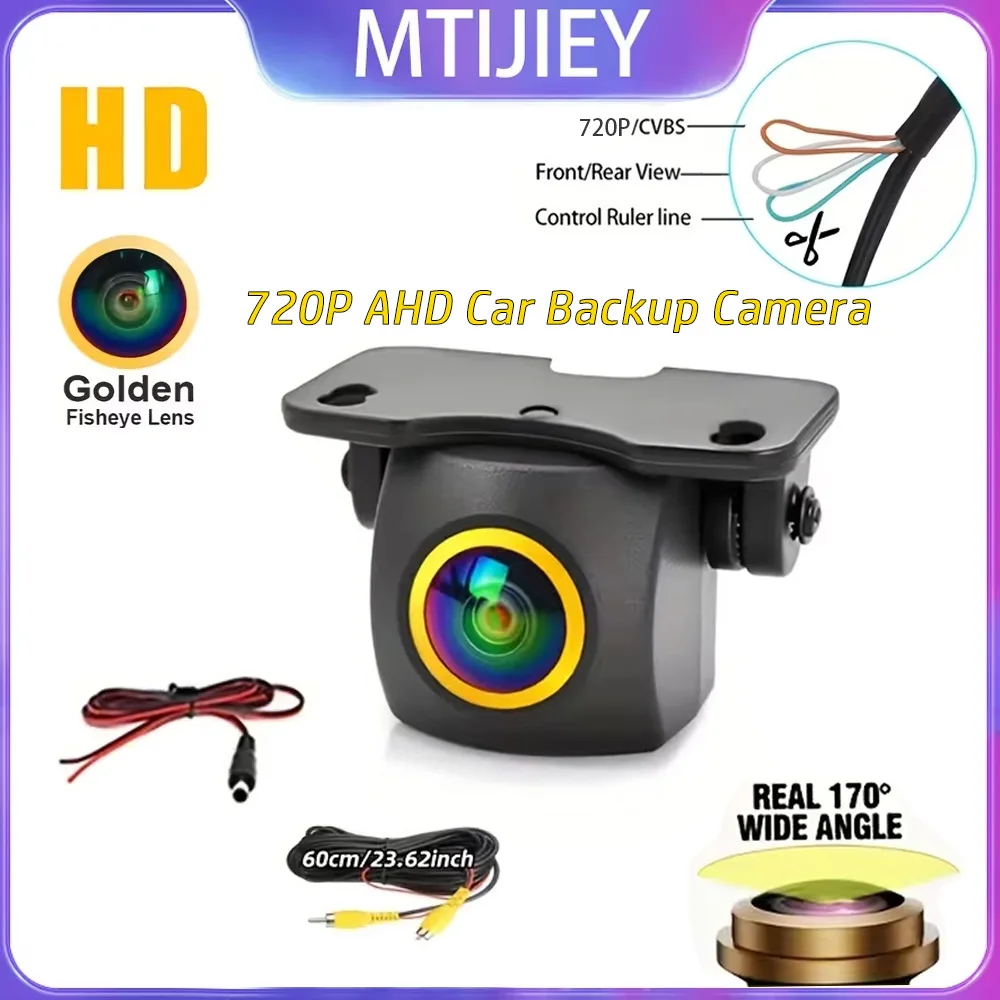

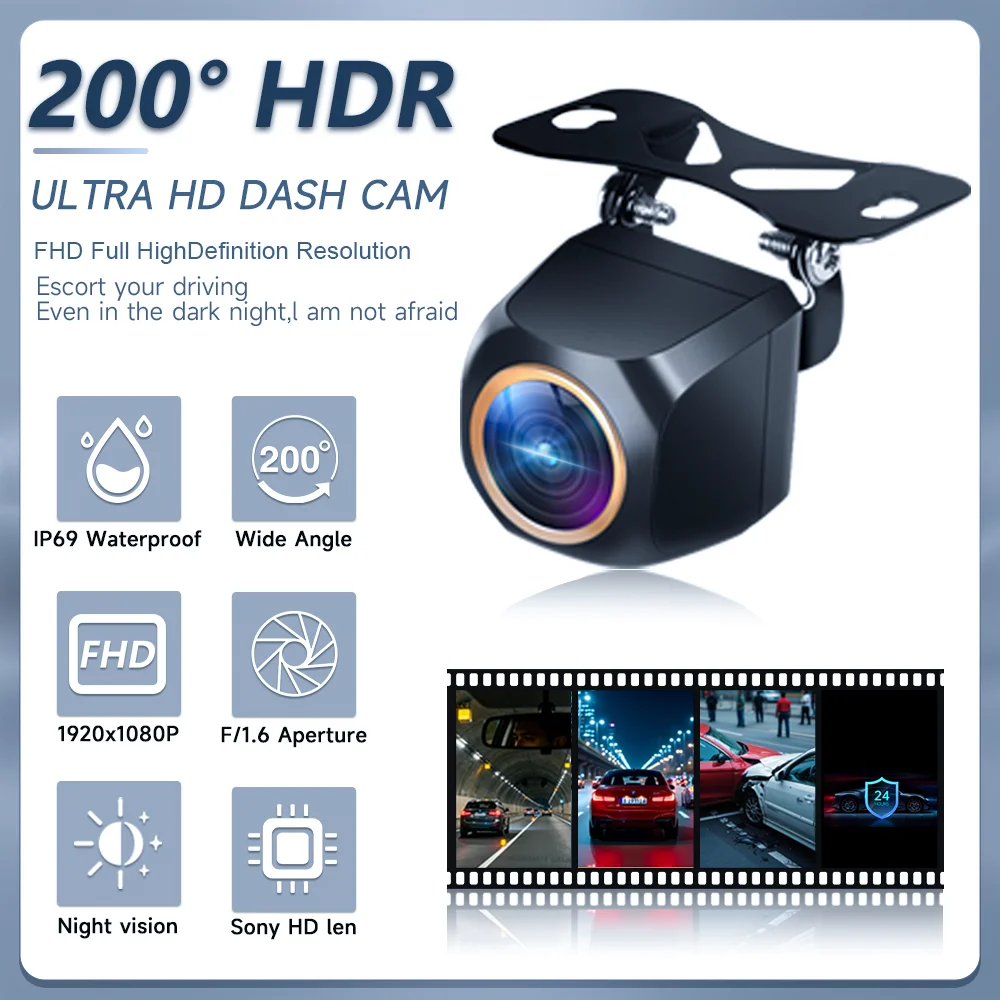
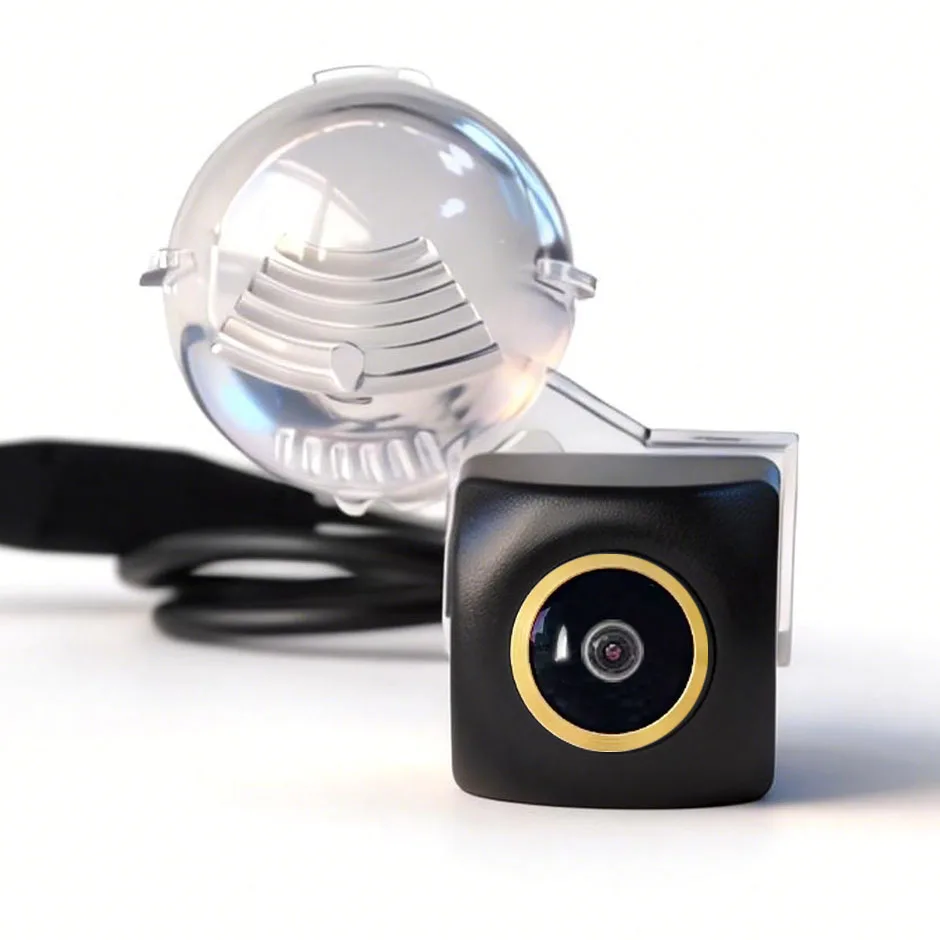


SZUK Car Rear View Cameras with 1080P Night Vision Capability
SZUK Car Rear View Cameras integrate advanced optical and electronic systems into weatherproof housings designed for permanent vehicle mounting at rear or front bumper positions. These cameras capture 1080P video resolution—1920 by 1080 pixels—that displays clear details of obstacles, curbs, pedestrians, and other vehicles within the lens field of view on integrated display screens or factory navigation systems. Wide-angle fisheye lenses provide 170-degree horizontal coverage, eliminating traditional blind spots that even expensive mirror upgrades cannot address adequately. Night vision functionality activates automatically when ambient light drops below 50 lux, deploying infrared LED arrays that illuminate scenes without visible glare to oncoming traffic. AHD and CVBS compatibility ensures these systems integrate with existing head units across virtually all vehicle platforms manufactured since 2010. Installation typically requires 45 to 90 minutes with basic hand tools, utilizing existing vehicle wiring infrastructure through dedicated circuits and reverse-signal activation triggering. Professional installers and do-it-yourself enthusiasts both report straightforward mounting procedures that preserve vehicle aesthetics.
Optical Design and Night Vision Technology
Wide-angle fisheye lenses bend incoming light through precisely calculated glass elements, compressing the field of view to fit more usable area into standard monitor displays without excessive distortion at screen edges. The 170-degree coverage practically eliminates the area directly behind the vehicle where traditional mirrors create blind zones, a critical safety advantage during tight parking maneuvers or backing toward obstacles. Night vision operates through infrared LED arrays mounted around the lens perimeter, emitting wavelengths invisible to human eyes but visible to camera sensors equipped with appropriate filters. Image sensor technology achieves 1080P resolution through a 2-megapixel CMOS device with 1/3-inch optical format, balancing light sensitivity against detail capture for effective low-light performance. Infrared illumination extends effective range to 6 to 8 meters in complete darkness, allowing drivers to identify obstacles beyond their vehicle’s physical rear boundary before contact risk increases. Weatherproof IP67-rated housings protect internal components from rain, snow, mud splash, and high-pressure car wash environments that would destroy standard cameras. These optical and thermal engineering details explain why professional fleet operators and government agencies specify premium camera systems for safety-critical applications.
Comparison to Alternative Parking Safety Solutions
Standard factory mirrors leave a blind zone encompassing up to 3 meters directly behind mid-size vehicles, which explains why backup cameras reduce reverse-collision incidents by 71 percent according to insurance industry data. Aftermarket mirror extensions add blind spots in certain angles rather than eliminating them completely, whereas wide-angle fisheye lenses provide unobstructed peripheral vision impossible through mirror geometry alone. Competing camera brands often limit resolution to 720P or employ narrow 120-degree lenses that fail to capture peripheral areas where pedestrians and small obstacles create hazards. SZUK’s 1080P imagery displays fine details critical for safe distance judgment—identifying parked cars, bollards, and curb positions with accuracy unattainable through lower-resolution alternatives. Night vision in competitor models frequently suffers from excessive infrared glare or inadequate illumination range, whereas these systems maintain image clarity across the full 0-100 lux light range. The official store provides technical specifications and installation guidance, helping customers confirm compatibility before purchase and understand performance expectations under varied weather and lighting conditions.
Installation and Optimal Use for Every Vehicle Type
Mounting brackets accommodate vehicles with curved rear bumpers, straight bumpers, and tailgate-style designs, ensuring proper lens positioning regardless of body style and without permanent structural modifications. Connect power to the reverse-light circuit using supplied connectors, which automatically activate the display whenever the transmission shifts into reverse gear, requiring zero driver action beyond putting the vehicle in backup mode. Route video cables through existing vehicle wiring channels behind bumpers and through door frames, preserving interior cabin aesthetics and protecting cables from weather exposure. Allow 48 hours for adhesive-mounted bracket curing before backing into tight spaces, as full structural strength develops through complete epoxy cross-linking during this period. Test night vision performance by backing into unlit parking areas after dusk, confirming infrared illumination range matches your typical distance requirements before considering the installation final. Consult the vehicle-specific installation manual available from the official store to identify correct reverse-light wire locations and compatible head unit integration methods. Clean the lens monthly with a soft microfiber cloth to maintain image clarity, removing road salt residue and dust accumulation that degrades optical performance over seasons of use.